
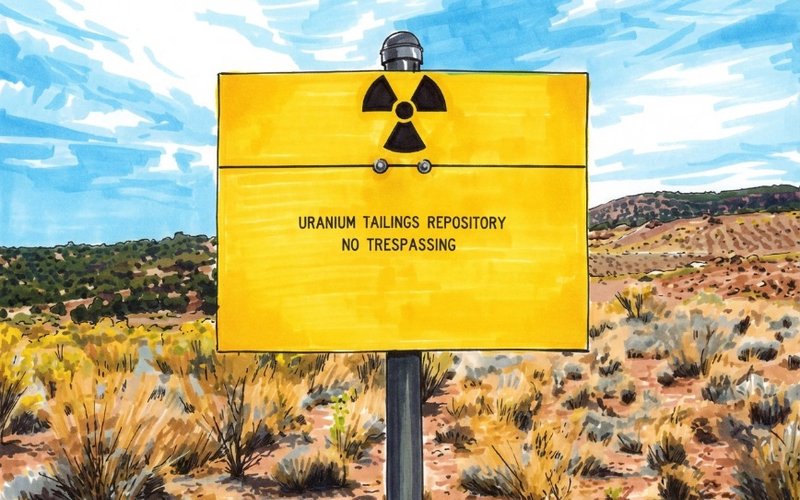

- 01Uranium: zero-carbon baseload.
- 02AU: ~30% reserves; Tier‑1 security.
- 03SMRs: modular, scalable for grids.
- 04Nuclear policy: two legal walls.
The energy transition is no longer a speculative "green" trend; it has become a matter of national security and base-load reality.
As we move through 2026, the global energy landscape is being reshaped by a "Triple Crown" of catalysts: the urgent need for carbon neutrality, the rising demand for 24/7 power from AI data centres, and a volatile geopolitical environment that makes domestic supply chains invaluable.
The Case for Uranium: Beyond the coal comparison
For decades, coal was the undisputed king of Australian energy, providing the reliable baseload power that wind and solar simply cannot match without prohibitively expensive battery storage.
However, as the world pivots toward Net Zero, coal's carbon intensity has become a financial and regulatory liability.
Uranium presents the only scalable, zero-carbon alternative that matches coal’s reliability.
From an energy density perspective, the comparison is staggering: a single 7-gram uranium fuel pellet creates as much energy as 800 kilograms of coal, without the sulphur dioxide or carbon emissions.
According to Geoscience Australia, nuclear energy provides a continuous "capacity factor" often exceeding 90%, whereas solar and wind frequently fluctuate between 20% and 35%.
For investors, this translates to "Base-Load Alpha"- the ability to provide the constant, high-voltage power that modern industrial economies require.
Australia’s Strategic Fortress: Energy independence
Australia sits on a "gold mine" of the future. We currently hold approximately 30% of the world’s known uranium reserves, ranking number one globally.
While Kazakhstan remains the world's largest producer, its proximity to Russian influence and Chinese borders introduces significant supply chain risk.
The recent escalation in Middle Eastern conflicts and the ongoing US-Iran tensions have highlighted the fragility of the "Global Just-in-Time" energy model.
For Australian investors, the thesis is clear: Australia is a "Tier-1" jurisdiction. By developing our domestic uranium resources, we are not just exporting a commodity; we are providing a "Security Premium" to Western utilities (particularly in the US and EU) who are desperate to decouple their nuclear fuel cycles from autocratic regimes.
The SMR Revolution: A new grid for Australia
Small Modular Reactors (SMRs) are the "plug-and-play" future of nuclear energy. Unlike the massive, multi-billion-dollar gigawatt plants of the past, SMRs are:
- Modular: Built in factories and shipped to site, reducing construction risk and capital outlay.
- Scalable: Can be deployed to replace retiring coal-fired boilers at existing power stations, utilizing existing grid infrastructure.
- Flexible: Ideal for remote Australian mining operations and regional hubs that require independent power.
However, the political obstruction to nuclear power in Australia is not merely a matter of policy preference; it is hard-coded into federal law.
There are two primary legislative "walls" that prevent the development of a domestic industry:
- The EPBC Act (1999): The Environment Protection and Biodiversity Conservation Act explicitly prohibits the Federal Minister from approving the construction or operation of a nuclear power plant, enrichment facility, or fuel fabrication plant.
- The ARPANS Act (1998): The Australian Radiation Protection and Nuclear Safety Act prevents Commonwealth entities from being licensed for nuclear power activities.
As of early 2026, these bans remain in place. Even if a private company wanted to build a Small Modular Reactor (SMR) today, it would be legally impossible to grant them a permit.
Furthermore, state-level bans in Queensland, New South Wales, and Victoria provide secondary layers of obstruction that must be unpicked individually
While the political obstruction is legal, not technical, for stocks like Paladin and Boss Energy these domestic hurdles are secondary, as they thrive on global export demand.
However, for a "step-change" in the valuation of the entire Australian uranium sector, the repeal of the EPBC Act would be the "buy" signal of the decade.
Uranium Stock Picks
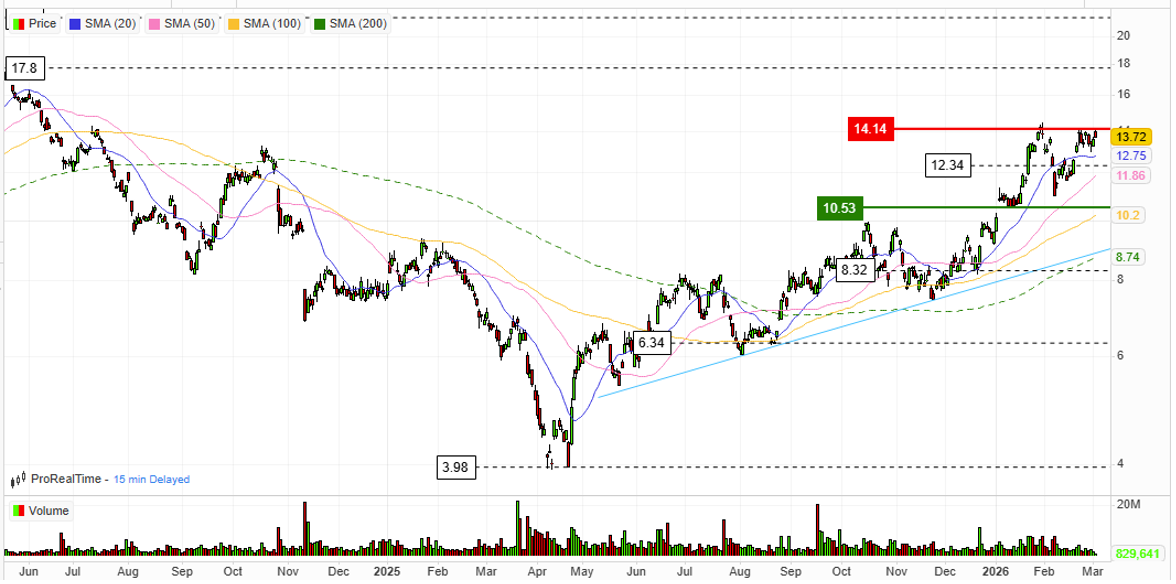
Paladin is Australia’s premier "re-producer," cantered on its 75% interest in the world-class Langer Heinrich Mine (LHM) in Namibia. Its competitive advantage lies in its transition from a developer back into a meaningful global producer. Paladin is strategically positioned as a reliable, large-scale supplier with established off-take agreements with top-tier Western utilities, insulating it from spot market volatility.
With LHM ramping up to full production in FY26, Paladin is moving from a "capital burn" phase to a "cash harvest" phase. The latest quarterly reports show production trending toward the upper end of its 4.0 to 4.4Mlb guidance.
In FY25, Paladin reported an average realized price of US$70.5/lb, significantly above its cash cost of production (~US$40.5/lb). This healthy margin supports future capital management, with analysts anticipating a maiden dividend discussion as the LHM ramp-up concludes in FY27.
Paladin maintains a robust balance sheet with US$278.4M in cash and a manageable debt-to-equity ratio of 17%. Following a successful debt restructure in late 2025, the company has the liquidity to fund its Canadian exploration (Patterson Lake South) without further shareholder dilution.
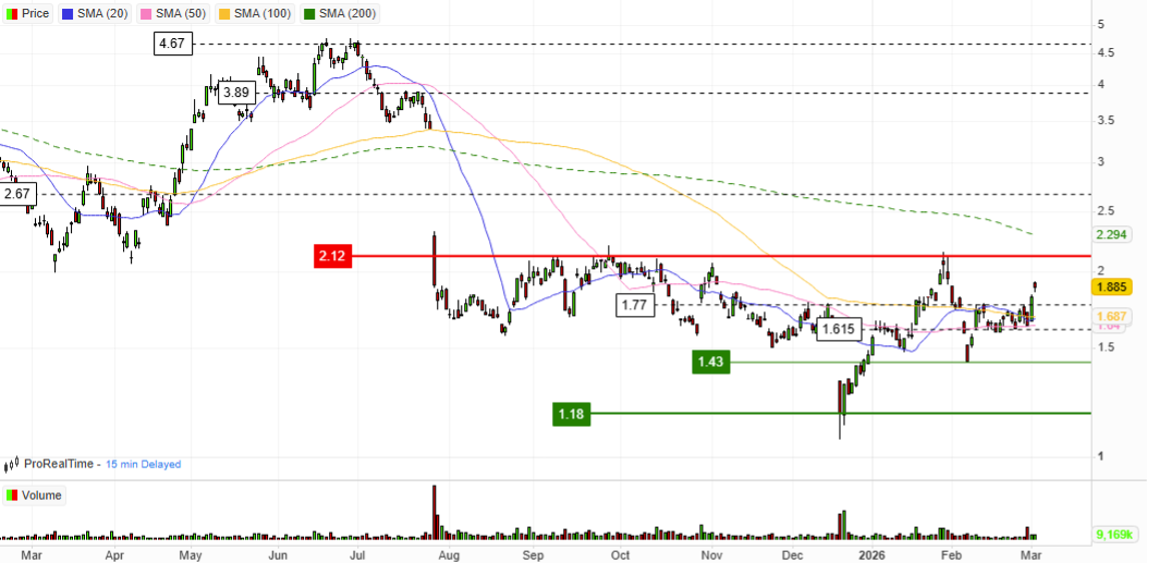
Boss Energy owns the Honeymoon Uranium Project in South Australia. Its primary advantage is the use of In-Situ Recovery (ISR) technology, which is significantly lower cost and has a smaller environmental footprint than traditional open-cut mining. Boss is one of the few producers globally that can boast "first-quartile" cost positioning.
Boss achieved its first full year of production in FY25, successfully proving the Honeymoon restart. Unlike many peers, Boss remains "strategically under-contracted," meaning they have maximum exposure to rising uranium spot prices, which are currently testing the US$90/lb level.
FY25 results showed A$75.6M in revenue with positive operating cash flow of $17.4M. Profitability was briefly masked by non-cash write-downs of purchased inventory, but the underlying "mine-to-market" margin remains elite.
Boss is in a position with ZERO debt and $224.3M in liquid assets (cash + physical uranium inventory). This "fortress" balance sheet allows them to acquire further assets or fund expansions internally.
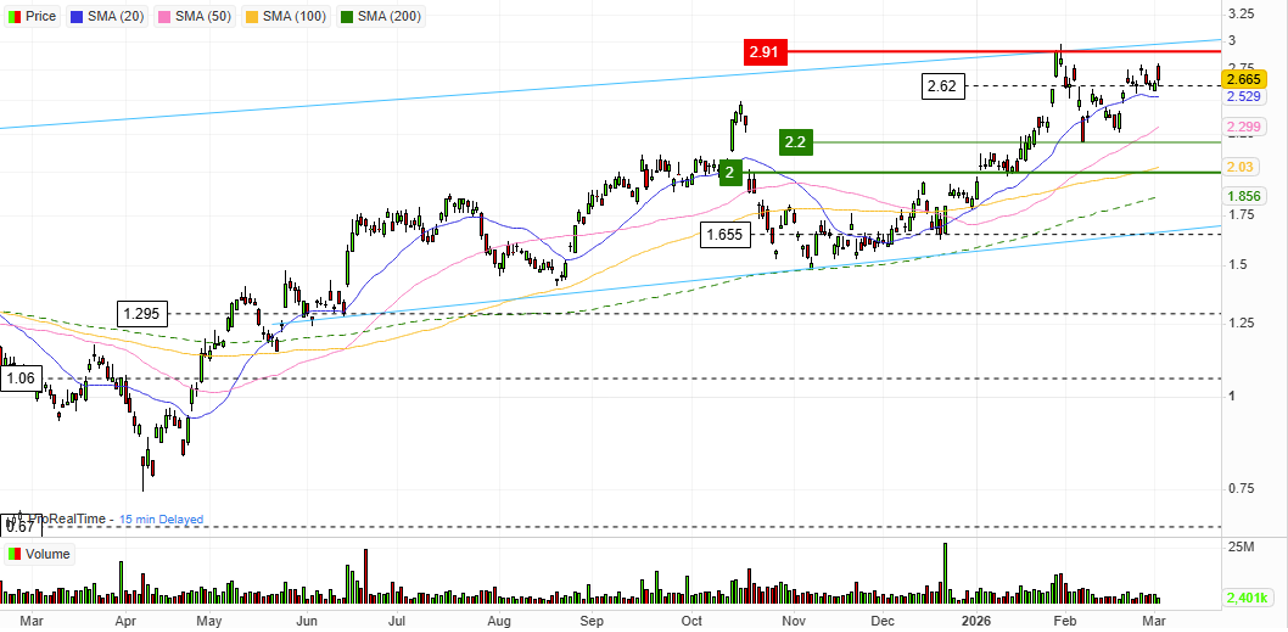
Deep Yellow is led by John Borshoff (the founder of Paladin), bringing unparalleled "uranium pedigree" to the table. The company is unique for its dual-pillar strategy: the Tumas Project in Namibia and the Mulga Rock Project in Western Australia. They are positioned as a "mid-tier" producer in the making, aiming for +7Mlb per annum production by 2030.
DYL is currently in the "pre-production" gap. While the Tumas DFS refresh in 2025 confirmed robust economics at US$82.50/lb, the company is still awaiting a formal Final Investment Decision (FID).
As an explorer/developer, DYL is currently pre-revenue. Growth is supported by project optimization, specifically the potential to extract base metals/rare earths at Mulga Rock, which could act as a significant cost offset.
DYL maintains a "clean" balance sheet with sufficient cash to reach its next milestones. However, the multi-hundred-million-dollar CAPEX requirement for Tumas remains the primary hurdle for the 2026/27 window.
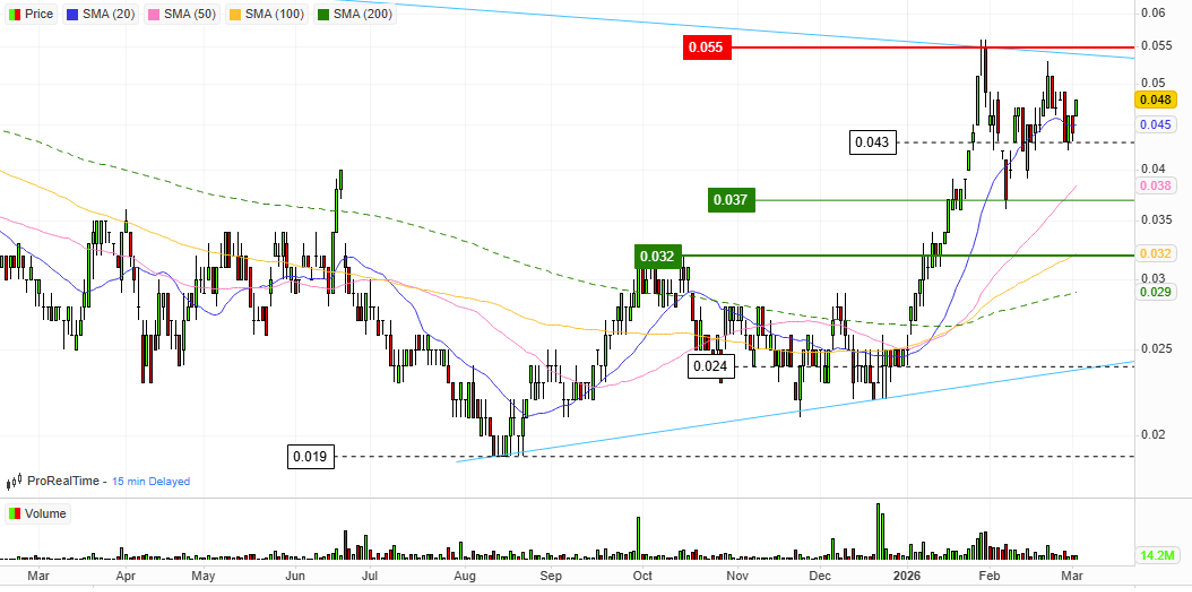
Alligator is an agile explorer/developer focused on the Samphire Project in South Australia. Their competitive advantage is their "low-disturbance" ISR pilot plant, which reached completion in late 2025. They are the "high-beta" play in the Australian uranium sector.
The thesis for AGE rests on the Field Recovery Trial (FRT) results expected in the March 2026 quarter. If the FRT confirms high recovery rates, Alligator becomes a prime acquisition target for larger producers like Boss or Paladin.
Currently loss-making ($4.9M loss in 1H26) due to exploration write-offs and project rationalization. Growth is entirely dependent on proving the Samphire resource's economic viability.
AGE is debt-free with $30.1M in cash. They recently divested non-core assets in the Northern Territory for $7.5M, sharpening their focus and extending their cash runway to approximately 2.4 years at current burn rates.
The uranium sector in 2026 stands at a historic crossroads where energy security, decarbonization, and geopolitical necessity intersect. For investors, the opportunity lies in a "Tier-1" jurisdiction that holds the keys to the Western world's nuclear renaissance.
While domestic political hurdles remain a point of contention, the sheer gravity of the global supply deficit and the "AUKUS-effect" are slowly eroding long-standing legislative barriers.
Get the wire before the market opens.
The ASX small-cap stories that matter, filed before 9am AEST. Curated by the Small Caps desk.