

- 0115-week recovery: 22.7% saprolite, 15.2% laterite.
- 02Longer leaching may lift recovery to 60% and 30%.
- 03Low acid use; high Sc:Fe ratio may ease processing.
Rimfire Pacific Mining (ASX: RIM) has reported that it is making progress with Stage 2 (long-term) bottle roll testing on low-iron host rock samples from the Murga scandium deposit in central New South Wales.
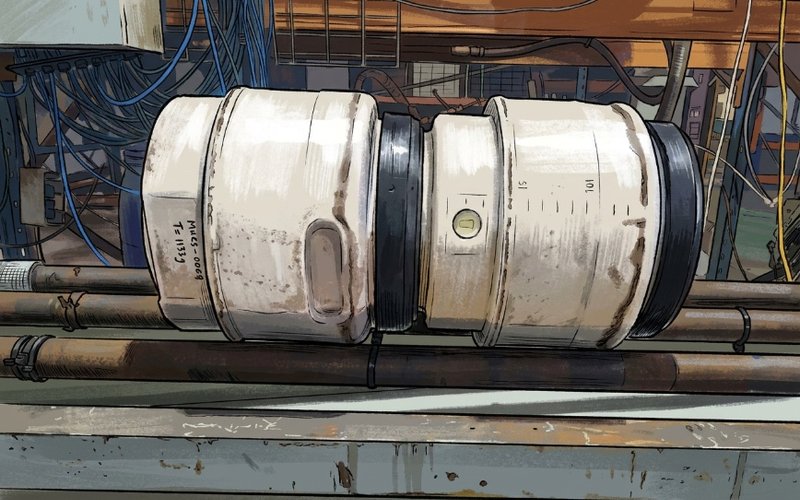
The work is being done on a 0.74 kilogram sample of saprolite-hosted scandium material and a 1kg sample of laterite-hosted material, using simple and cost-effective leaching techniques at atmospheric pressures and ambient temperatures.
At the end of 15 weeks, scandium recoveries of 22.7% from the saprolite sample and 15.2% from laterite had been achieved, with early projections indicating that scandium recoveries could be enhanced to at least 60% and 30%, respectively, if the same rate of extraction was maintained over a longer and more commercially realistic timeframe (such as 365 days).
Hheap leaching of laterite-nickel-cobalt-scandium deposits that share similar mineralogy and are metallurgically analogous to Murga deposit typically takes place over periods of 100 to 400 days.
Published research papers confirm that European and West Australian saprolite ores can achieve up to 80% extractions over extended leaching periods, and that heap leaching exhibits a roughly linear response best approximated the bottle roll recovery data.
Acid Consumption Tests
At the end of 15 weeks, consumption of sulphuric acid was 0.34 tonnes per tonne of saprolite and 0.23t/t laterite, considered low for atmospheric leaching.
The pregnant leach solution generated by the leaching of saprolite material was characterised by a high scandium-to-iron ratio of 2.24 milligrams scandium per gram of iron, which is seen as relative to the atmospheric leaching of other scandium ores.
Rimfire regards this as significant because it could enable easier downstream separation and a higher purity of final products.
Additionally, recoveries from laterite host rocks are lower than from saprolite material—which could be due to other minerals (such as calcium, manganese, and magnesium) in the laterite sample consuming more acid compared to the saprolite, leaving less acid available for scandium extraction.
Unlocking Murga’s Value
Rimfire executive chair Bronwyn Barnes said the 15-week recovery data demonstrated that scandium is continuing to be successfully recovered via bottle roll leaching at atmospheric pressures.
“This metallurgical study is key to unlocking value from the Murga deposit and the scandium recoveries at the end of 15 weeks have been highly encouraging,” she said.
“The deposit’s low-iron host rocks represent a potential gamechanger when compared to the other deposits in the area, and the data generated by our study will help us determine the viability of extracting scandium from these rocks using less complex and less capital-intensive atmospheric leaching technologies.
“Globally, scandium is becoming a very high-value critical mineral of growing strategic importance, with demand accelerating across the advanced manufacturing, AI data centre, defence, and aerospace industries.
“We believe Rimfire is well positioned to capitalise on this opportunity.”
Get the wire before the market opens.
The ASX small-cap stories that matter, filed before 9am AEST. Curated by the Small Caps desk.