

- 01Landmark North American deal with Sabra targets 20,000 beds.
- 02FDA clearance and RTM eligibility pave the way for US revenue growth.
- 03Balancing expansion with managing operating losses and going concern risks remains critical.
PainChek (ASX: PCK) has announced a significant North American expansion via a Master Services Agreement with Sabra Health Care REIT, building on recent UK progress and US regulatory advancements.
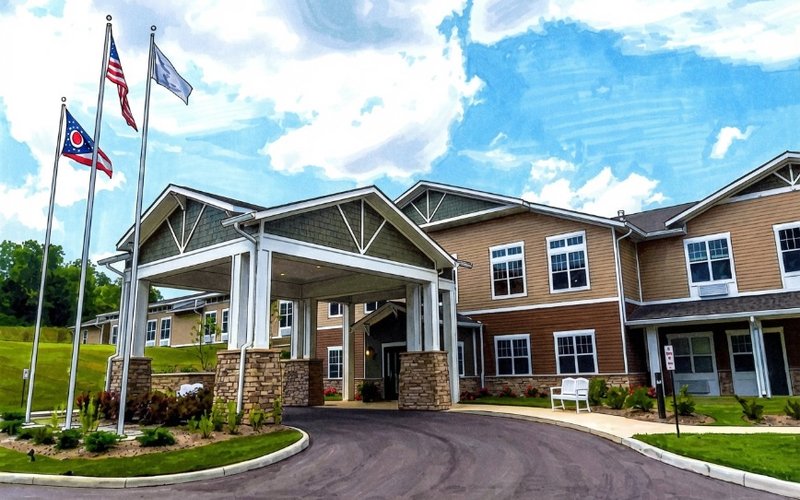
The agreement with Sabra Health Care REIT is for deployment across up to 20,000 beds in 329 US and Canadian facilities.
Sabra will fund PainChek costs on behalf of its operating partners, a strategy that aims to reduce adoption barriers and streamline the sales cycle.
Pricing is set at $55-75 USD per bed per annum under a perpetual agreement, with initial deployment to involve five operators and an additional ten operators already in the queue.
US Regulatory and Reimbursement Strides
This significant Sabra agreement follows PainChek's receipt of FDA De Novo clearance for its Adult App in October 2025, a key milestone for its North American rollout.
Furthermore, PainChek's device has been confirmed as eligible for US Remote Therapeutic Monitoring (RTM) reimbursement claims, following an independent US legal opinion.
This means it qualifies as an FDA-regulated medical device for CMS RTM.
This RTM eligibility opens a new pathway for recurring revenue, particularly for assessing pain in non-verbal dementia patients in long-term care settings.
UK Momentum Continues
In the last quarter, PainChek reported strong sales momentum within the UK aged care market, demonstrating continued international growth.
The company successfully added 4,000 new contracted licenses in the UK, representing 9% quarter-on-quarter growth.
These new licenses are expected to deliver an incremental 230,000 AUD in annual recurring revenue once implemented.
This growth is linked to sustained demand for clinically validated technology and improved pain management outcomes.
Financial Performance and Risks
For the half-year ended 31 December 2025, PainChek reported a net loss attributable to members of $4.7 million.
Revenue from continuing operations increased 5% to $1.7 million, although total revenue decreased 42% largely due to a sharp decline in grant income.
Operating cash outflows remained substantial, with $5.0 million used in operating activities.
The company acknowledges that revenue is tied directly to bed-level deployment and operator uptake.
Additionally, there is inherent execution risk in translating regulatory approvals and new agreements, like the Sabra deal, into scalable commercialisation and in the broader scalability of new products such as the Infant App.
Get the wire before the market opens.
The ASX small-cap stories that matter, filed before 9am AEST. Curated by the Small Caps desk.