

- 01US Medicare covers both tests from 20 Dec.
- 02Targets intermediate-risk patients; 1.14m annual testing opportunities.
- 03May lift ASP, revenue and cash flow.
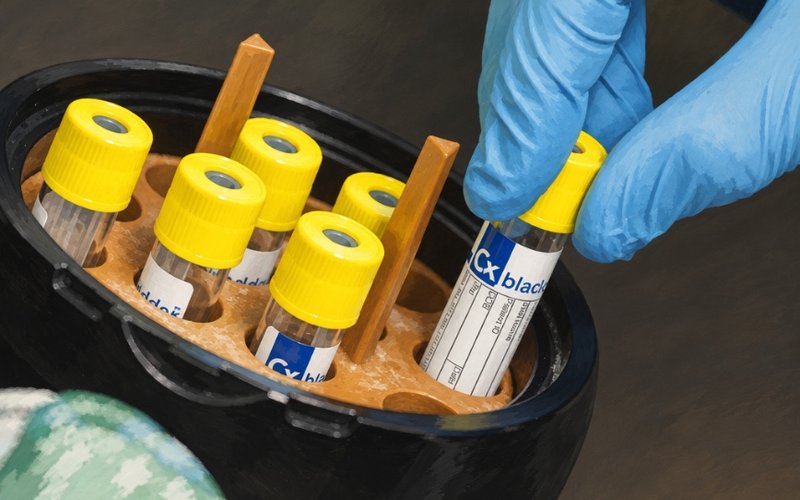
Pacific Edge (ASX: PEB) has had US Medicare coverage for its Cxbladder Triage and Triage Plus tests confirmed, opening a reimbursed pathway to evaluate patients with intermediate-risk microhematuria.
Taking effect on 20 December, the final local coverage determination (LCD) applies to a patient group representing an estimated 1.14 million testing opportunities annually, according to management.
The policy covers the two Pacific Edge tests but excludes competing tests and generic billing codes, positioning the cancer diagnostics group to pursue wider clinical adoption.
It also removes a reimbursement barrier for urologists and is expected to lift average selling price (ASP), revenue potential and cash flow as the group expands its US market presence.
Medicare covers more than 71 million people across the US, although the company’s estimated annual testing opportunity relates specifically to eligible intermediate-risk patients.
Clear Coverage Boundaries
The LCD establishes Medicare-funded evaluation using validated urine-based biomarkers for intermediate-risk patients with microhematuria, rather than extending coverage across every patient-risk category.
Pacific Edge expects the policy to help doctors decide when to use its non-invasive tests as part of assessing whether patients require cystoscopy.
The final determination largely matches the draft issued in May, allowing the business to continue a commercial strategy already organised around the anticipated eligibility criteria.
“The final LCD […] provides clear guidance on the eligible hematuria patients for which Triage and Triage Plus should be reimbursed and recognizes the important role that validated, non-invasive urine-based biomarkers can play in helping physicians make better-informed decisions about cystoscopy,” chief executive Dr Peter Meintjes said.
“To ensure that we are well positioned to capitalize on the opportunity presented by the LCD, we are making selective investments in our commercial team and digital technologies to support commercial and laboratory operations and strengthen our competitive position in the hematuria market.”
Reimbursement Opportunity
Pacific Edge intends to shift hematuria evaluation testing towards Triage Plus, which carries a price of US$1,328 per test, while concentrating its outreach on intermediate-risk patients.
Under the Protecting Access to Medicare Act, the recently revised prices for Cxbladder Triage and Monitor are US$1,057 and US$1,026 per test respectively.
The company expects Medicare reimbursement to improve its ASP and operating leverage, with the higher-priced Triage Plus product central to its commercial plans.
It anticipates that Medicare Advantage insurers will reimburse eligible Triage and Triage Plus claims in line with Medicare policy, supporting improved cash flow.
Commercial insurers are another target, with Pacific Edge planning to use the Medicare decision to support policy negotiations, reimbursement appeals and additional revenue.
Broader Payer Adoption
Geisinger, which is owned by Kaiser Permanente, has recently introduced commercial coverage for Cxbladder testing across all microhematuria risk groups.
That agreement increases the number of commercially contracted lives for the group’s hematuria tests to 12.9 million, separate from the population covered by Medicare.
Pacific Edge sees the new national reimbursement precedent as a potential influence on other commercial insurers, which collectively cover approximately 223 million people in the US.
To support uptake, the group plans to establish clinical pathways within integrated delivery networks and target intermediate-risk patients, a category it identifies as disproportionately female.
It is making selective investments in commercial staffing and digital technologies to strengthen laboratory and sales operations while pursuing further payer policies and contracts over coming quarters.
Get the wire before the market opens.
The ASX small-cap stories that matter, filed before 9am AEST. Curated by the Small Caps desk.