

- 01BlinkLab found SHANK2-linked brain-signal differences.
- 02Signals spanned gating, habituation and movement.
- 03Results support further Dx1 study.
BlinkLab (ASX: BB1) has reported positive results from an exploratory study of genetic SHANK2-related autism using its Dx1 smartphone-based diagnostic tool conducted in collaboration with the US-based non-profit SHANK2 Foundation.
A total of 20 participants (nine with the rare neurodevelopmental disorder and 11 unaffected siblings) were recruited for the study, which was designed to chart differences across objective neurophysiological domains in support of the view that BlinkLab’s technology captures underlying brain biology rather than behavioural variation alone.
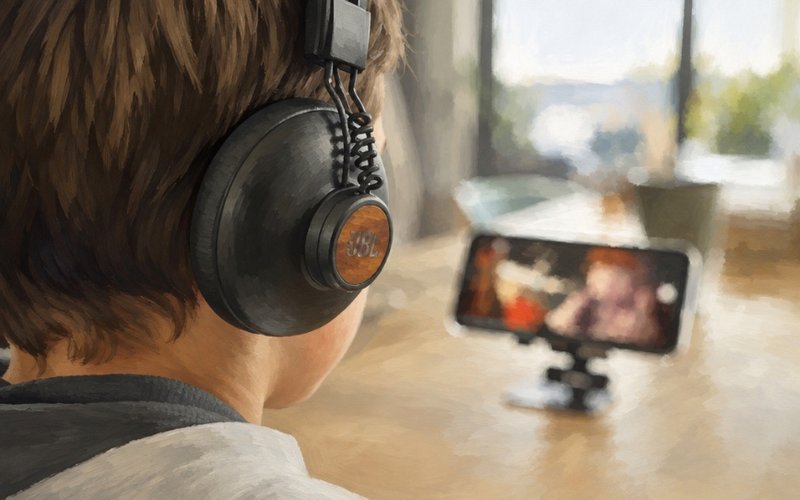
Of the initial intake, eight individuals with a SHANK2 mutation and 10 siblings completed the 15-minute smartphone assessment.
Two others were unable to complete testing because of discomfort with the headphones or auditory stimuli.
The study was strengthened by a community comparison group of 99 participants matched by sex, race, and age who completed the same experimental protocol, enabling the SHANK2 cohort to be evaluated against unaffected siblings and a substantial community benchmark.
Diagnostic and Screening Platform
BlinkLab’s study linked a known genetic cause of autism with objective neurophysiological differences measured through an AI-powered, smartphone-based diagnostic and screening platform.
Most autism is biologically heterogeneous, reflecting the combined influence of many genetic and environmental factors.
However, the SHANK2 mutation provides a more biologically defined model which enabled the company to study the pathways that contribute to autism and related neurodevelopmental conditions.
The findings showed measurable differences across sensory gating, response habituation, and spontaneous sensorimotor behaviour.
These domains are consistent with the sensory-processing and movement differences identified in BlinkLab’s broader autism research, while also illustrating that the most informative biomarker may be a combination of signals rather than any single measurement.
Significant Statistical Differences
Individuals with a SHANK2 mutation (n=8) displayed significant and statistical differences in the smartphone tests in the areas of sensorimotor gating, startle habituation and spontaneous sensorimotor behaviour compared with matched community participants (n=99), unaffected siblings (n=10) or both.
Matched community participants and siblings showed normal filtering of sound (+27.2% and +27.8%, respectively), while the SHANK2 group returned a reverse result (-26.5%), indicating a gap of about 54 percentage points after adjustment for age and sex.
While the size of the acoustic startle response did not differ between groups, startle habituation did—the SHANK2 group showed greater habituation than matched community participants with sounds at random intervals, while sounds at rhythmic intervals elicited greater habituation from the SHANK2 group compared to community participants and siblings.
For spontaneous sensorimotor behaviour, the SHANK2 group differed from siblings in postural stability, head rotations, and mouth openings while also showing more mouth openings than matched community participants.
The findings emphasised a critical need to evaluate how sensorimotor responses adapt over time and are gated, rather than overall responsiveness.
Distinct Biological Signature
BlinkLab co-founder and chief executive officer Dr Henk-Jan Boele said the company anticipated seeing a strong biological signal in the SHANK2 population using the smartphone platform.
“More specifically, we predicted a distinct signature across sensorimotor gating, habituation and movement and this is exactly what we have now observed in the smartphone-based data,” he said.
“It is important to understand that this study is not about the immediate market size of SHANK2-related autism—it is about a much larger scientific and commercial opportunity to understand how specific genetic mutations shape behaviours including those associated with autism, and ultimately translating these insights into new therapeutic approaches.”
“We believe this could be particularly attractive to pharmaceutical companies developing targeted therapies for neurodevelopmental conditions, and we are well positioned to provide the objective measurements needed to support their development and evaluate treatment effects.”
Get the wire before the market opens.
The ASX small-cap stories that matter, filed before 9am AEST. Curated by the Small Caps desk.